Glass pipe artists occupy a unique place in smoking culture because their work sits at the intersection of craftsmanship, subculture, and collectible design. Unlike the long-established tradition of tobacco pipe making, which was shaped by conventional materials and formal retail markets, the modern glass pipe scene emerged from counterculture. That difference helps explain why cannabis pipes evolved into something far more visually experimental than the traditional wood tobacco pipe.
Today, glass pipes can be simple daily-use pieces, scientific instruments, or elaborate “heady” works collected as art. To understand how that happened, it helps to look at where pipe-making started, how cannabis culture changed the category, and why individual glass artists now command such a devoted following.
Table of Contents
- Traditional Tobacco Pipes and the Culture of Restraint
- The Counterculture Movement Changed Pipe Design
- From Wood to Glass: Why the Medium Mattered
- The Rise of the Modern American Glass Pipe Artist
- When Functional Glass Became Art
- Heady Glass, Collectors, and Artist Followings
- The Modern Market: Individual Artists and Major Glass Brands
- Why Glass Pipe Artists Matter Today
- Historical References Used
- 710 Pipes Pages Consulted for Brand/Context
Traditional Tobacco Pipes and the Culture of Restraint
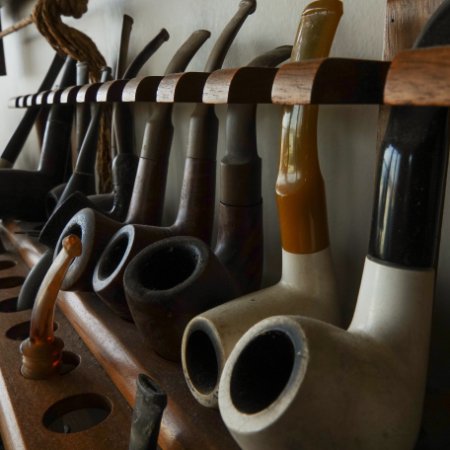
For centuries, tobacco pipes were associated with established social rituals. Across Europe and North America, materials such as clay, meerschaum, and especially briar wood became standard because they were durable, practical, and suitable for repeated use. Over time, these materials also shaped the aesthetic expectations of the pipe itself.
Traditional tobacco pipes tend to emphasize:
- Familiarity
- Symmetry
- Restrained craftsmanship
- Understated finishing
- Recognizable shapes and profiles
Even when a tobacco pipe is highly refined or handmade, its visual identity is usually tied to heritage. The pipe is expected to look classic, respectable, and grounded in convention. Briar pipes, in particular, became synonymous with a long-standing tobacco culture built around tradition, leisure, and ritualized use.
That historical backdrop makes the rise of the glass cannabis pipe especially significant, because it emerged from an entirely different environment.
The Counterculture Movement Changed Pipe Design

Modern cannabis pipe culture in the United States did not grow out of old-world tobacconist traditions. It grew out of the counterculture movement of the late 1960s and 1970s, when head shops became retail hubs for paraphernalia, posters, music-adjacent merchandise, and smoking accessories. These were not merely stores. They were spaces shaped by anti-establishment politics, psychedelic aesthetics, experimentation, and the normalization of marijuana use within youth and underground culture.
That context changed the pipe’s purpose.
A traditional tobacco pipe often reflected continuity. A cannabis pipe increasingly reflected identity. It became a personal object tied to style, rebellion, and scene affiliation. In that environment, glass had major advantages over wood. It could be transparent, vividly colored, sculptural, and visually unconventional. It allowed makers to create pieces that did not need to resemble old pipe forms at all.
In other words, cannabis culture did not just adopt a new material. It adopted a new design philosophy.
From Wood to Glass: Why the Medium Mattered

The move from traditional pipe materials to glass was not only aesthetic. It was also technical. Wood remained closely associated with tobacco, both because of tradition and because of its long-established manufacturing history. Glass, by contrast, opened the door to a more contemporary and visually expressive form of pipe making.
In the modern era, borosilicate glass became especially important because it offered advantages that suited functional smoking pieces:
- Better heat resistance than ordinary glass
- Greater durability for repeated use
- Freedom to create intricate shapes and chambers
- The ability to showcase color, fuming, and internal design work
That last point matters the most in artistic terms. With wood, the beauty is usually in the grain, carving, or finish. With glass, the artist can make airflow pathways, color transitions, sculptural forms, and optical effects part of the visual experience. The pipe does not just hold smoke; it becomes a display of process and technique.
The Rise of the Modern American Glass Pipe Artist
It is difficult to identify a single first glass pipe made specifically for smoking cannabis in modern American culture. What is much clearer is that the American glass pipe movement took shape in the late 20th century through underground networks and artist experimentation.
One of the most frequently cited figures in that history is Bob Snodgrass, whose work in the early 1980s helped push glass pipes into a more distinct artistic direction. Working around the Grateful Dead touring scene, Snodgrass became widely associated with color-changing glass pipes and with the broader evolution of functional borosilicate work for cannabis use. That scene helped spread both the objects and the techniques through a mobile, connected subculture.
This period was important because it transformed the pipe from a simple smoking implement into something with authorship. The maker mattered. Style mattered. Technique mattered. Collectors and buyers were not simply looking for a tool; they were beginning to recognize individual artistic signatures.

When Functional Glass Became Art
As technique improved, glass artists began pushing beyond basic spoon pipes and straightforward utilitarian forms. The field expanded into a sophisticated craft defined by flameworking skill, innovation, and visual identity.
Artists began incorporating techniques such as:
- Fuming
- Line work
- Implosion work
- Sculptural attachments
- Opal settings
- Layered color applications
- Complex internal patterning
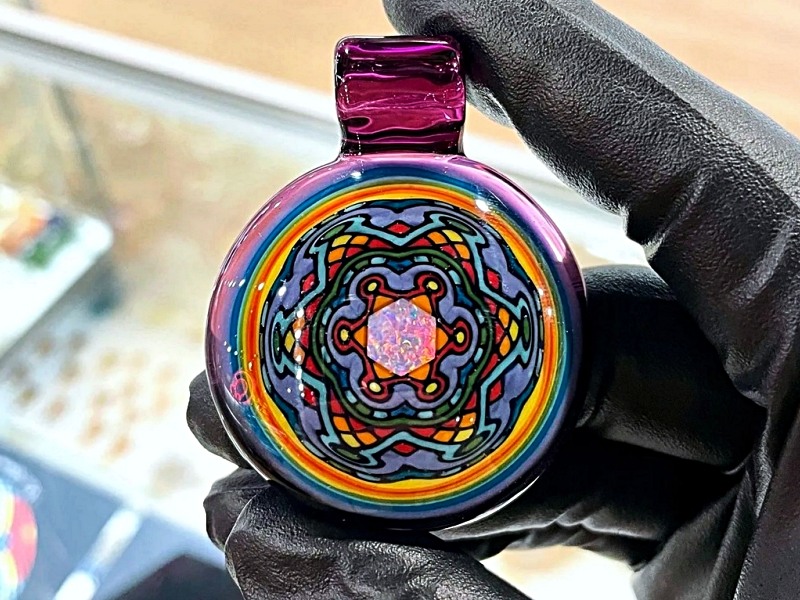
At that point, the pipe stopped being just a vessel for smoking and became a piece of functional art. Some artists embraced surreal forms. Others leaned into marine themes, biomechanical structures, graffiti-inspired aesthetics, or highly polished sculptural minimalism. The piece still needed to function, but it also needed to communicate something visually.
That shift is the basis for what the market now calls heady glass.


Heady Glass, Collectors, and Artist Followings
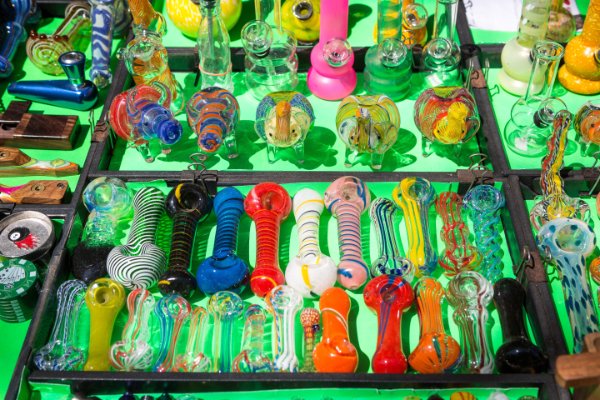
As 710 Pipes explains in its guide to heady glass, heady glass refers to highly artistic, often one-of-a-kind or limited functional glass pieces where craftsmanship and aesthetic originality are central to the value of the work.
That concept changed the market in several ways.
First, it elevated authorship. Buyers began seeking out specific artists, not just generic styles. Second, it introduced collectibility in a more serious way. A pipe could now be valued not only for use, but for rarity, reputation, and place within an artist’s body of work. Third, it created fandom around makers themselves.
Today, collectors may follow glass artists the way other enthusiasts follow streetwear designers, tattoo artists, or custom knife makers. They want to know:
- Who made the piece
- What techniques define that artist’s work
- Whether the piece is unique or part of a limited run
- How respected the artist is within the scene
- Whether the work fits a broader collecting focus
That is a major departure from the older tobacco-pipe model, where the emphasis was more often on shape, finish, and material tradition than on subcultural authorship.
The Modern Market: Individual Artists and Major Glass Brands
The current glass pipe market includes both independent artists and highly recognizable brands. That balance is part of what makes the category so dynamic. A collector may value a one-off sculptural piece from an individual artist, while another buyer may prefer the consistency and reputation of an established name with a strong visual identity.
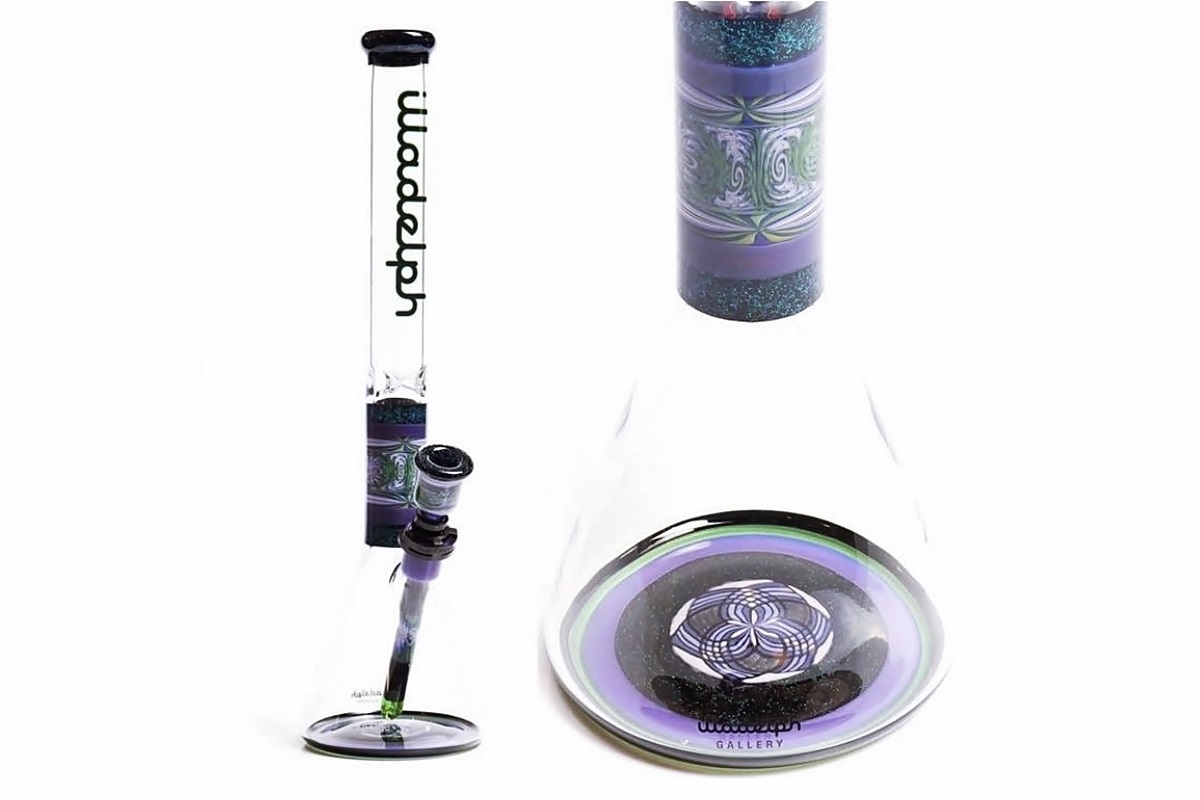
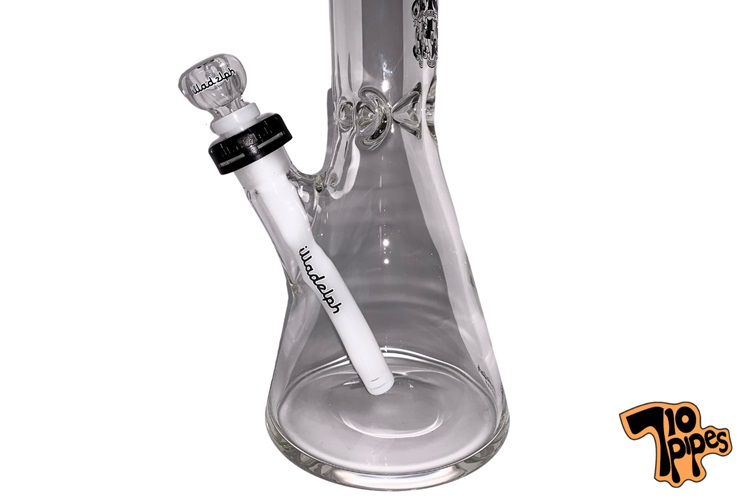
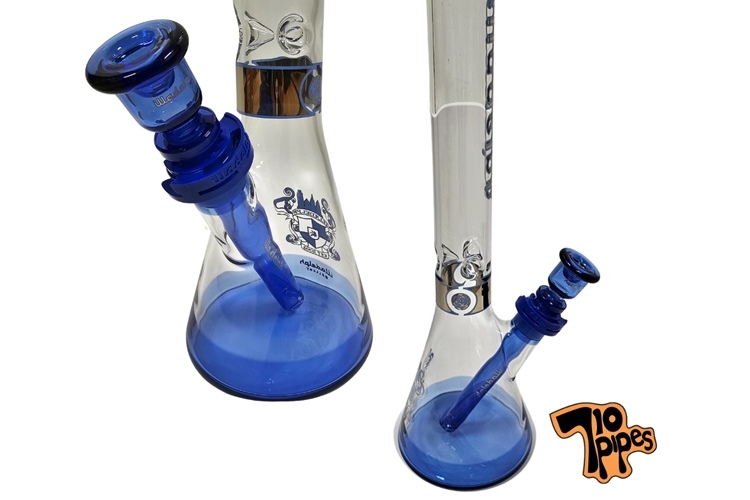
710 Pipes’ Glass Artists page reflects that modern landscape, featuring work tied to respected artists and brands such as Hedman Headies, Joel Halen, Matty White, Gordo Scientific, RL Funktional, Illadelph, American Helix, and others.
That range shows how far the category has evolved. Glass pipes are no longer confined to novelty status or underground utility. They now occupy a recognized space where craftsmanship, artist identity, collectibility, and performance all matter at once.

Why Glass Pipe Artists Matter Today
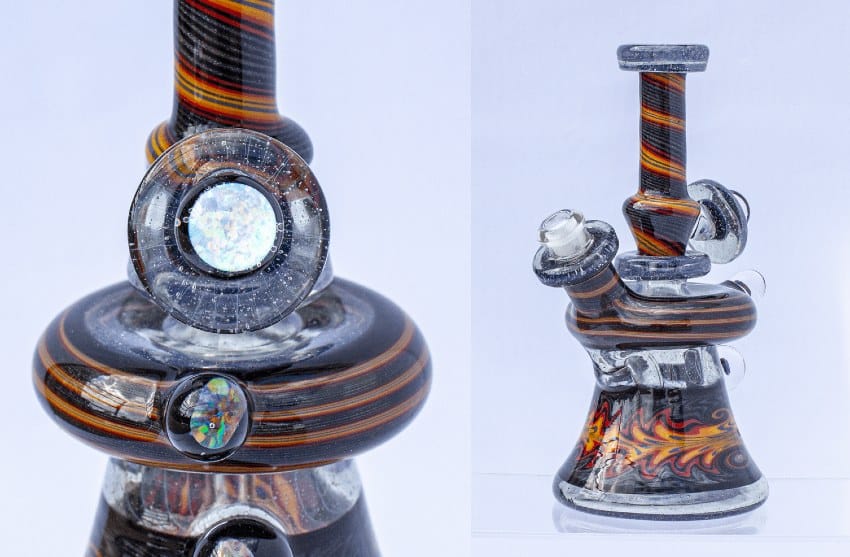
Glass pipe artists, like Aaron Brooks (pictured on the right), matter because they transformed an accessory into a medium. They took a form once defined by function and turned it into a space for expression, experimentation, and technical innovation. Their work carries the legacy of counterculture, but it also reflects the maturity of a modern art-driven market.
The result is a category unlike the traditional tobacco pipe world. Tobacco pipes remain rooted in continuity and classic form. Cannabis glass, especially in its heady form, is rooted in authorship, reinvention, and visual impact.
That is why glass pipe artists continue to attract loyal fans. They are not simply making pipes. They are shaping one of the most distinctive forms of functional art in contemporary smoking culture.
Explore Work from Leading Glass Pipe Artists
Browse heady, scientific, and signature glass from respected makers carried by 710 Pipes.




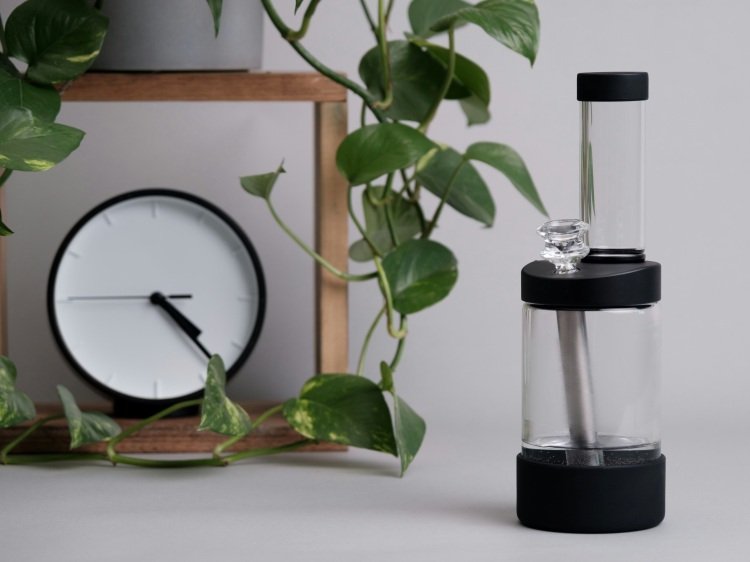
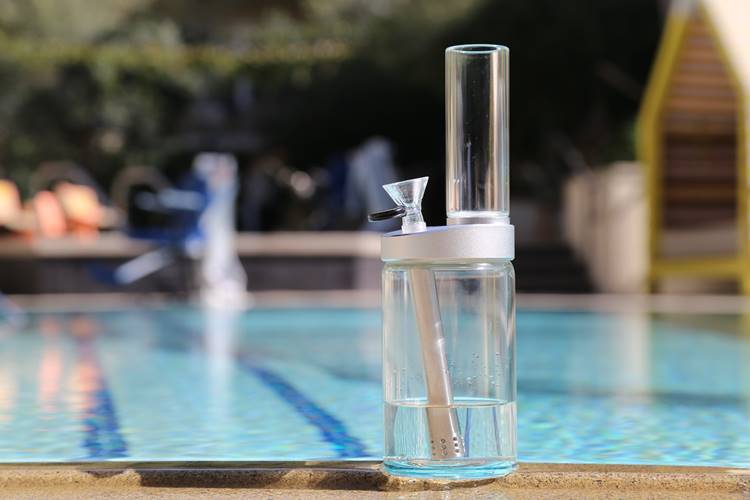
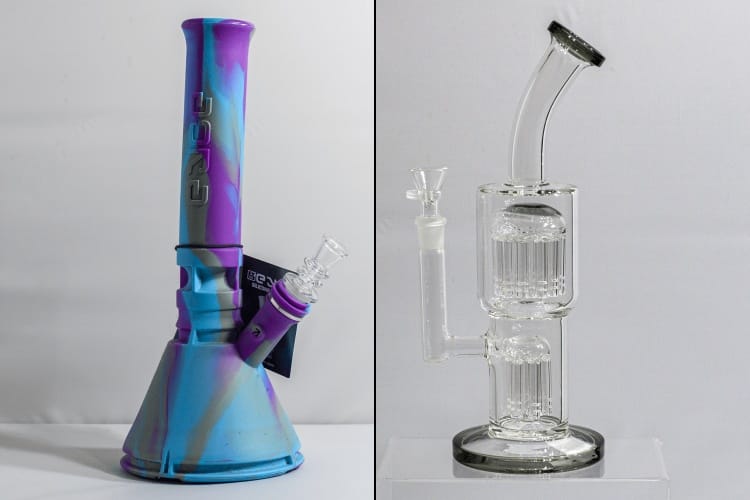
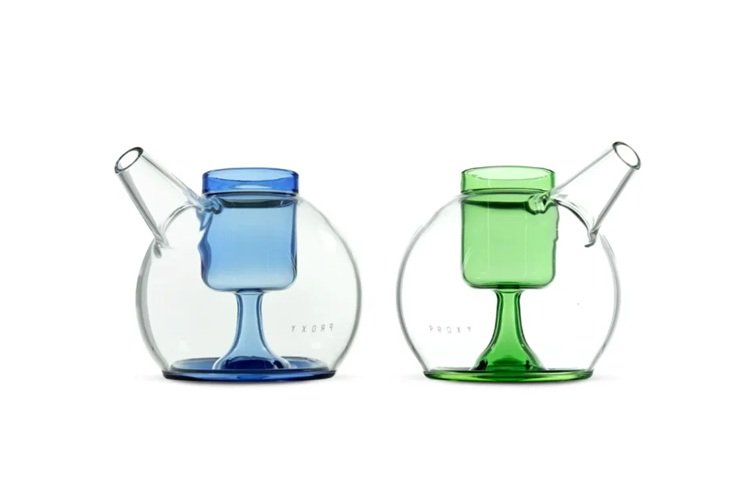 At 710 Pipes, we carry a wide range of high-quality glassware, including pieces that deliver the perfect balance of portability and performance – like bubbler bongs. Whether you’re new to smoking or a seasoned collector, bubbler bongs offer a smooth, water-filtered experience in a compact and stylish form. In this article, we’ll walk you through the basics, different types of bubblers, how they compare to other styles of bongs, and why one might be a great fit for your collection.
























 When Bilbo sits down with Gandalf at the start of The Fellowship of the Ring one of the first things they do is create some pipe smoke magic together. In this post, the team at the 710 Pipes
 If you’ve spent any time smoking or vaping weed you know only too well the scourge of cotton mouth. It even happens to some people after consuming cannabis edibles. While cotton mouth is a harmless phenomenon it is nonetheless unpleasant and if there were a way to avoid it we’re willing to bet most of our
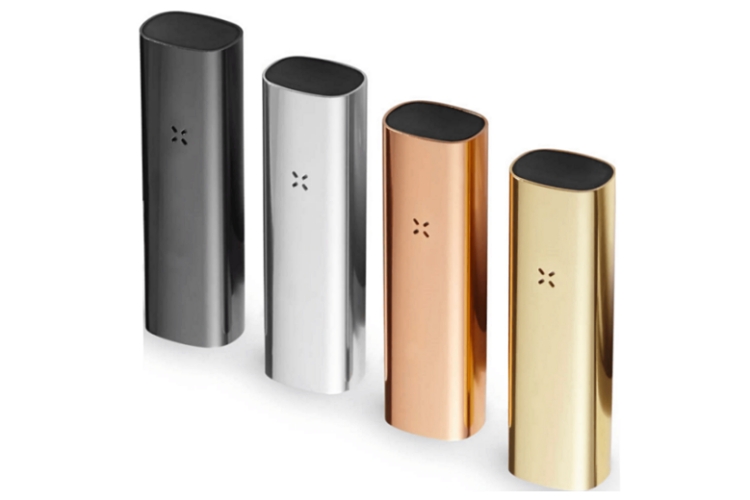
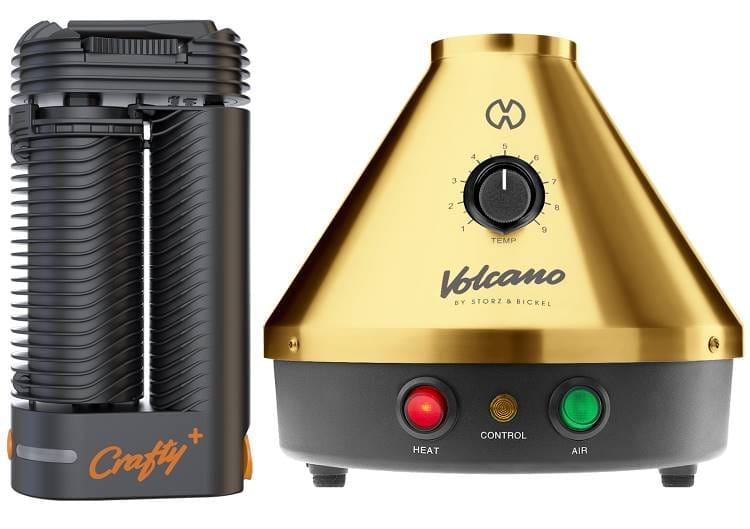
  Over the past ten years, the number and variety of dry herb vaporizers has exploded. Here at our










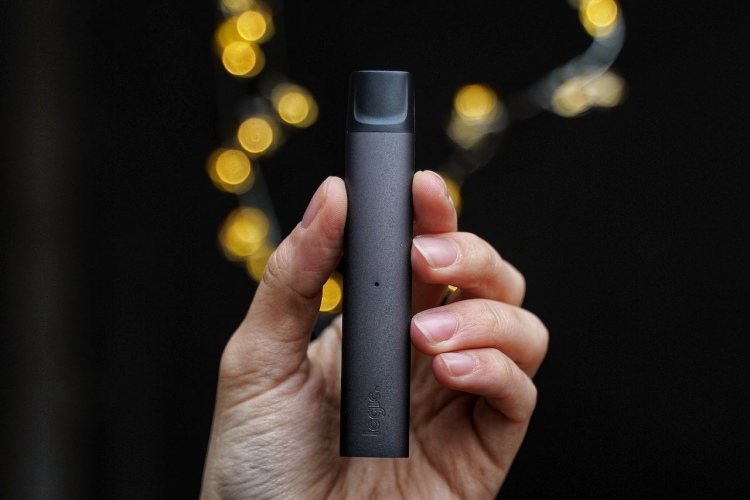


 If you’ve watched the ever growing cannabis industry over the years, you’ve probably heard of the company



 You’re starting to realize that smoking might not actually be the healthiest activity you partake in.
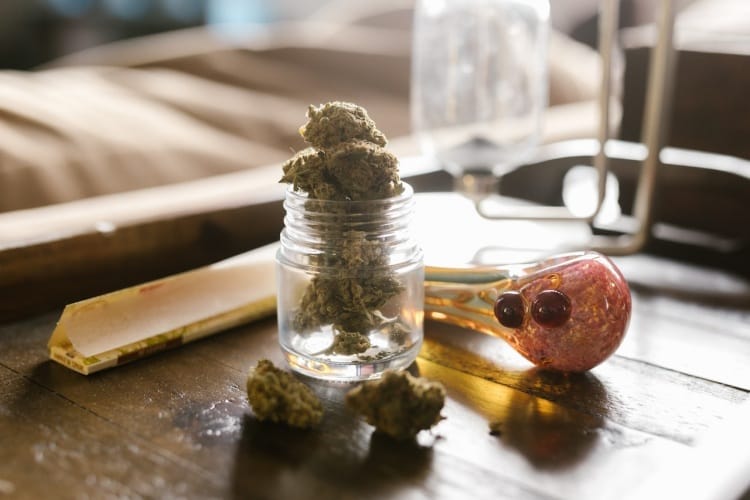
Whether you’re smoking cigarettes, cannabis pipes or joints, you’re consuming harmful toxins and inhaling smoke into your lungs. Yuck!
Luckily, there’s a (potential) solution: the almighty
You’re starting to realize that smoking might not actually be the healthiest activity you partake in.
Whether you’re smoking cigarettes, cannabis pipes or joints, you’re consuming harmful toxins and inhaling smoke into your lungs. Yuck!
Luckily, there’s a (potential) solution: the almighty 

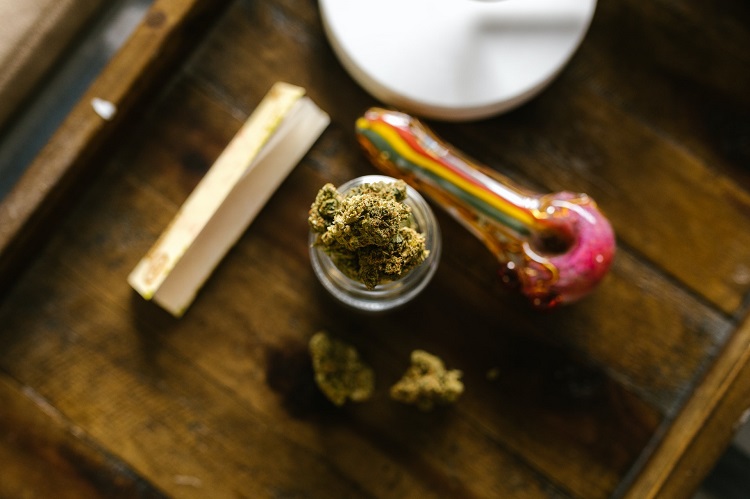 Everyone wants to know how to pack the perfect bowl. If you’re looking for the best high- and to get the most out of your weed- a well-packed bowl is vital.
Unfortunately, you probably have some bad habits to kick (ahem, overpacking!). There’s also probably some extra effort you need to start putting in, like using a screen or fully grinding your weed.
Luckily, we’ve broken down all the dos and don’ts of packing a bowl so you can become an expert in no time!
Everyone wants to know how to pack the perfect bowl. If you’re looking for the best high- and to get the most out of your weed- a well-packed bowl is vital.
Unfortunately, you probably have some bad habits to kick (ahem, overpacking!). There’s also probably some extra effort you need to start putting in, like using a screen or fully grinding your weed.
Luckily, we’ve broken down all the dos and don’ts of packing a bowl so you can become an expert in no time!


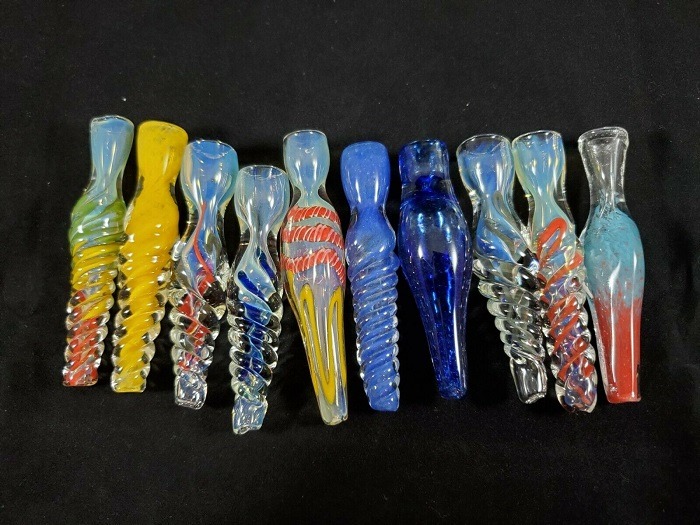 Chillums are the most overlooked smoking device. But there’s no good reason for it!
Every stoner should own at least one chillum. They should be a staple in the arsenal of all potheads, whether you smoke once a month or don’t stay sober for more than 5 minutes at a time.
Buy a chillum from our
Chillums are the most overlooked smoking device. But there’s no good reason for it!
Every stoner should own at least one chillum. They should be a staple in the arsenal of all potheads, whether you smoke once a month or don’t stay sober for more than 5 minutes at a time.
Buy a chillum from our